How Are Collateral Loans Different From Selling Outright?
When you bring a piece of fine jewelry or a luxury watch into Watch & Wares, you generally have two options. You can sell the item outright and walk away with cash, or you can use it as collateral for a loan and get your money while keeping ownership of the piece. Both options put cash in your hand the same day, and neither one requires a credit check. The right choice depends on whether you want the item back and how much money you’re looking to get. Here’s a closer look at how the two options compare.
What Happens When You Sell Outright
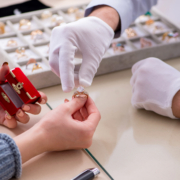
Selling is the simpler of the two transactions. One of our trained staff members examines your piece, weighs and tests the metal, assesses any stones, and considers the brand, age, and current market before quoting you a price. Our estimates are free and come with no obligation, so you’re welcome to hear our offer and take time to think it over. If you accept, we pay you on the spot, and the piece becomes ours.
The biggest advantage of selling is the amount you get for it. Because we’re purchasing the item outright, we can pay considerably more than we would lend against that same piece. There’s also nothing to keep track of afterward. You don’t have a repayment date on your calendar, and you don’t owe any interest. For unworn gifts, inherited pieces you’ll never wear, or jewelry that no longer fits your style, selling usually makes the most sense. If you’ve been searching for a good place to sell gold and jewelry in Orange County, this is the most straightforward path.
What Happens When You Take Out a Collateral Loan
A collateral loan works differently because you’re not parting with your piece permanently. We evaluate the item the same way, then offer you a loan amount that’s typically a percentage of what we would pay to purchase it. Once you accept, we issue a four-month loan with a ten-day grace period and an interest rate based on the loan amount, all in accordance with California state regulations. You receive a ticket with the loan details spelled out, and your item stays secured with us until you repay.
When you repay the loan in full within that window, your jewelry comes right back to you. You also have the option to renew the loan by paying the interest owed, which extends your timeline if you need it. If you decide not to repay, the item simply stays with us as repayment. That’s another key difference worth understanding. Since your loan is secured by the piece itself, there’s no obligation to repay it, and choosing not to won’t affect your credit score in any way.
How To Decide Between Them
The first question to ask yourself is whether you want the item back. If a piece carries sentimental value, like an engagement ring, a family heirloom, or a watch you inherited from your father, a collateral loan lets you access its value without giving it up for good. That’s often the deciding factor for our customers.
The second question is how much cash you need. Since a loan amount is a percentage of what we’d pay to buy the piece outright, selling will always put more money in your hand. If you need a larger sum and you aren’t attached to the item, selling is likely the better option.
It also helps to think honestly about your repayment plan. Collateral loans work best when you’re bridging a temporary gap, such as an unexpected repair bill or a slow month between paychecks, and you know money is coming in. If repayment feels uncertain and you’d rather not risk losing the piece for less, selling gives you a clean transaction at maximum value.
Why Customers Trust Watch & Wares for Both
Whichever option you choose, the appraisal process is the same, and so is our commitment to transparency. Our staff includes expert appraisers and a gemologist with decades of experience, and our scales are certified by the Orange County Weights and Measures Program to ensure accurate readings. We’re fully licensed, our interest rates are state-regulated for your protection, and every transaction is confidential and discreet. To learn more or schedule your free appraisal, call Watch & Wares at 714-731-9600 or contact us online today.